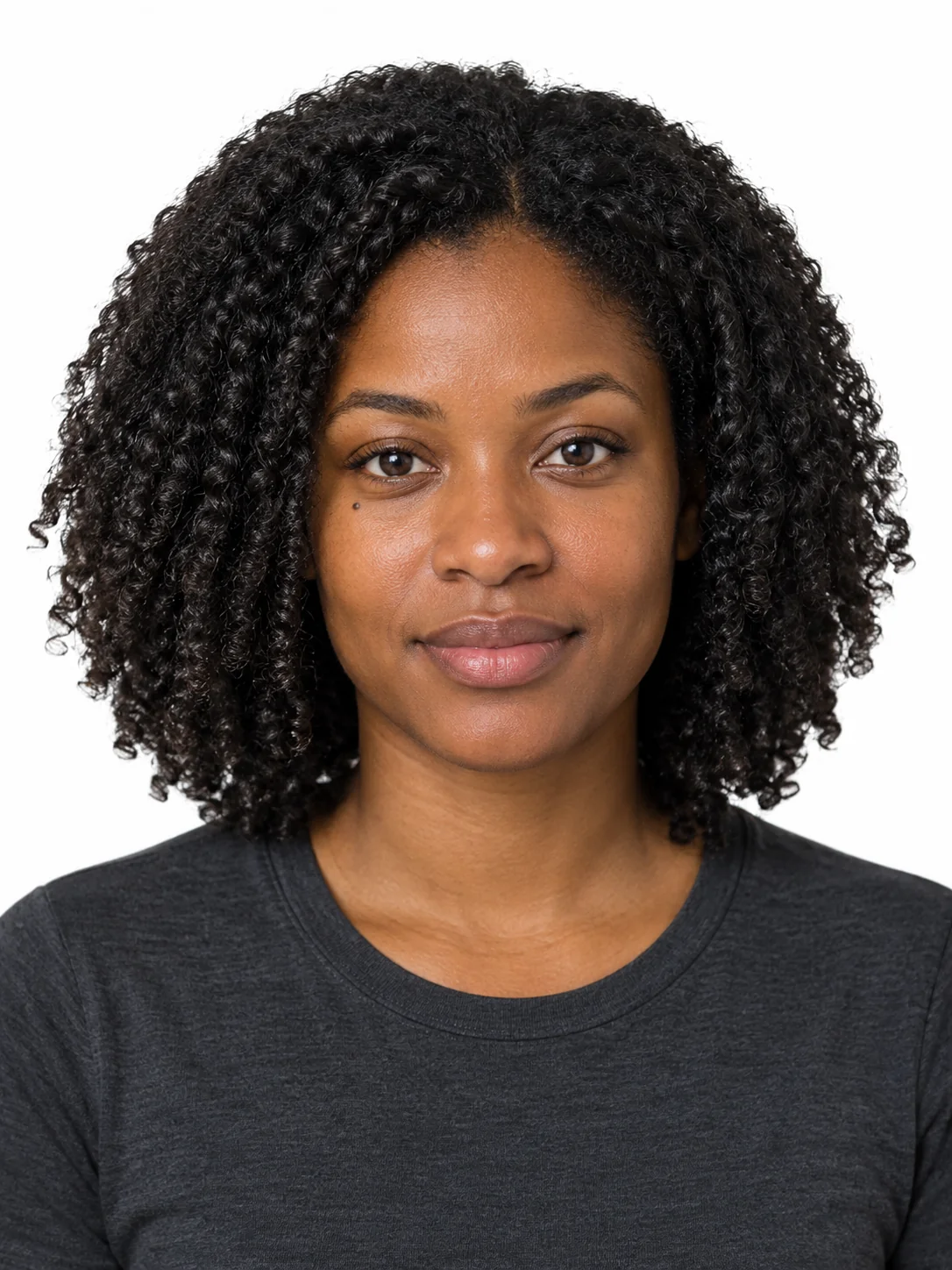
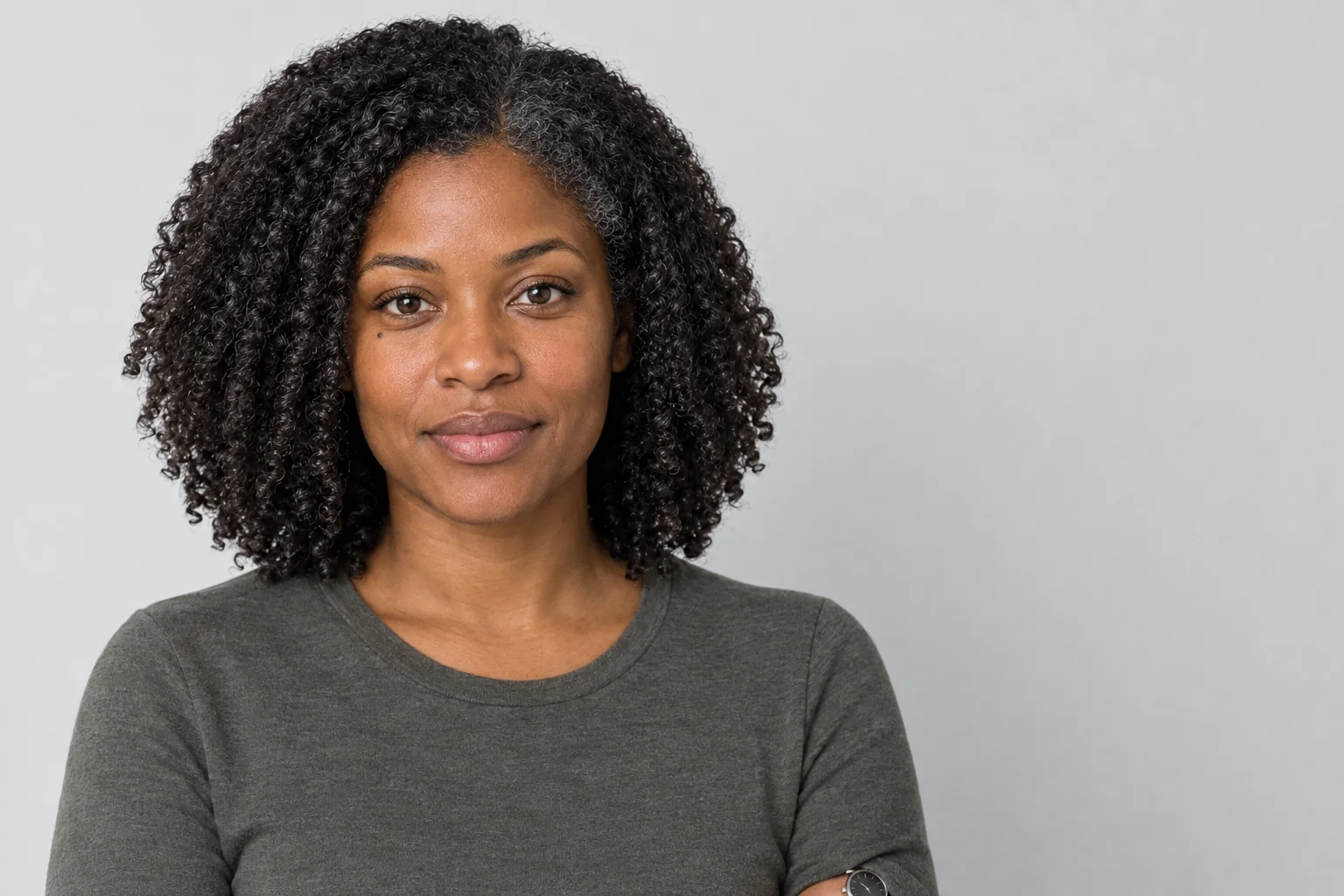
Each set is a complete prompt. Copy it, or open it in the studio with the model, aspect ratio and resolution it was written for.
Frame 1986 Film Portrait
The standard approach: a full set of four images sharing the same camera position and background.
Nano Banana 2image → image3:2 · 2K
Reference photos: One clear front-facing photo of a single person. This frame decides the camera position and background for the whole series, so generate it first.
Age the person in the reference image down to about twenty years old in the year 1986, shot as a 1986 colour film portrait. Keep the exact facial identity and bone structure of the person in the reference image, only the age, styling and camera look change. Camera position: chest height, 50mm equivalent, subject centred one third from the left, background is a plain light grey studio wall with a single soft shadow under the chin, light comes from camera left at forty-five degrees. Age markers for 1986: tighter jawline, smooth skin with freckles, fuller cheeks, straight confident posture, no nasolabial lines. Styling: brushed-out shoulder-length hair with a soft wave, plain crew-neck knit in mustard, thin gold chain. Film look: 1986 colour negative stock, visible grain in the grey wall, gentle highlight roll-off, slightly warm skin tone, light vignette in the corners, colour that is rich but not saturated. Not a digital photo, no sharpening, no HDR.
Negative prompt
digital sharpness, HDR, modern clothing, plastic skin, changed facial identity, extra people, text
Reference only — the image models available here do not take a separate negative prompt, so this list is guidance for editing the prompt above.
Why this works: The foundation of the whole series. The three sentences covering camera position, background and light direction must be copied unchanged into the other three entries.
Frame 1996 Home Photo
Generate only the first and the last frame for half the cost.
Nano Banana 2image → image3:2 · 2K
Reference photos: A photo of the same person; keep the result of Frame 1986 Film Portrait in view while generating so the camera position stays the same.
Keep the exact camera position, focal length, background and light direction of the 1986 frame: chest height, 50mm equivalent, plain light grey wall, subject one third from the left, key light from camera left at forty-five degrees. Age the person in the reference image to about thirty years old, year 1996, keeping their exact facial identity and bone structure. Age markers: adult cheekbones defined, first faint lines at the outer eye corners, skin still firm, shoulders squared, slight adult weight in the face. Styling: dark bob with a side part, black turtleneck under a grey wool coat, one small silver watch. Camera look: consumer colour film of 1996, mild grain, slightly flat contrast, cyan-leaning shadows, red eye reduced, white balance a touch cool, as if printed at a one-hour photo lab. Same framing and same expression direction as the 1986 frame so the two images line up when stacked side by side. No digital sharpening, no HDR.
Negative prompt
different camera angle, different background, HDR, modern retouching, plastic skin, changed facial identity, text
Reference only — the image models available here do not take a separate negative prompt, so this list is guidance for editing the prompt above.
Why this works: Frame two. The most common drift is a background that gets brighter or darker, so add 'same exposure value as the 1986 frame' and regenerate.
Frame 2006 Digital Snapshot
Frame three.
Nano Banana 2image → image3:2 · 2K
Reference photos: A photo of the same person; this frame allows slightly more visible tiredness, the realism of a mortgage and young children.
Match the earlier frames exactly: same camera position at chest height, 50mm equivalent, the same plain light grey wall, the subject one third from the left, key light from camera left at forty-five degrees. Age the person in the reference image to about forty years old in the year 2006, preserving their exact facial identity. Age markers: softening jawline, deeper nasolabial folds, faint crow's feet, slightly tired under-eye area, hair a little thinner at the temples, relaxed slouched posture. Styling: short layered hair with side-swept fringe, striped button-up shirt with the top button open, cheap plastic-frame glasses pushed up on the head. Camera look: 2006 compact digital camera, direct small flash giving a mild hot spot on the forehead, cool white balance, sharpened edges typical of early jpeg compression, slight purple fringing on the shirt stripes, mild corner vignette. Same framing as the previous frames so all four images line up as one timeline. Not a modern smartphone photo.
Negative prompt
film grain copied from earlier frames, different framing, HDR, beauty retouch, changed facial identity, text, watermark
Reference only — the image models available here do not take a separate negative prompt, so this list is guidance for editing the prompt above.
Why this works: The digital feel starts here to set it apart from the film look of the first two frames; express that difference in this one sentence and do not change the camera position.
Frame 2026 Present Day
Frame four.
GPT Image 2.5 Flareimage → image3:2 · 2K
Reference photos: A photo of the same person; this frame looks most like the person and is the one most likely to be used directly as a profile picture.
Final frame of a timeline series: same camera position at chest height, 50mm equivalent, the same plain light grey wall, subject one third from the left, key light from camera left at forty-five degrees, matching the earlier frames of the series. Show the person in the reference image as they are today, year 2026, with their exact facial identity, bone structure and skin tone preserved. Age markers: mature hairline, settled features, natural nasolabial lines, slight grey at the temples, still alert and well-lit eyes, relaxed upright posture. Styling: minimal modern wardrobe in a muted tone, plain shirt with no logo, one simple watch. Camera look: modern full-frame mirrorless quality with soft neutral colour, clean but not over-sharpened, gentle skin texture retained, no flash, no filter, balanced exposure that still matches the grey wall of the 1986 frame. Framing identical to the other three frames so the four images stack into a single timeline. Photographic realism, not an illustration.
Negative prompt
different background tone, different framing, heavy filter, HDR glow, plastic skin, changed facial identity, text, logo
Reference only — the image models available here do not take a separate negative prompt, so this list is guidance for editing the prompt above.
Why this works: Do not write phone selfie for 2026; it is the only frame with proper studio lighting, which is what makes all four look like they came from the same camera.
Text-Only Progression Sample
Produce a page sample when no suitable photo is available.
Nano Banana 2 Litetext → image4:5 · 1K
A four-frame timeline sample image, stacked vertically as four equal frames separated by thin white gutters, showing the same adult with the same neutral expression photographed at ages twenty, thirty, forty and fifty. All four frames share an identical camera position at chest height, a 50mm equivalent lens, the same plain light grey studio wall and the same light from camera left at forty-five degrees. Top to bottom, styling changes: mustard knit and a soft wave, dark bob with a turtleneck, striped shirt with plastic glasses, plain modern shirt with grey temples. Capture treatment progresses top to bottom: 1986 film grain, 1996 consumer film, 2006 compact digital with flash hot spot, 2026 clean mirrorless. Neutral documentary tone, no beauty retouching, no text or captions anywhere in the image.
Why this works: The text-only sample and the cheapest one. The vertical four-panel version is ready to post on social media; generate the horizontal single-row version from the real photos in the four main entries, and do not mix the two.