Each set is a complete prompt. Copy it, or open it in the studio with the model, aspect ratio and resolution it was written for.
Top And Bottom Caption Meme
The standard approach, with one short caption line at the top and one at the bottom.
Nano Banana 2image → image1:1 · 2K
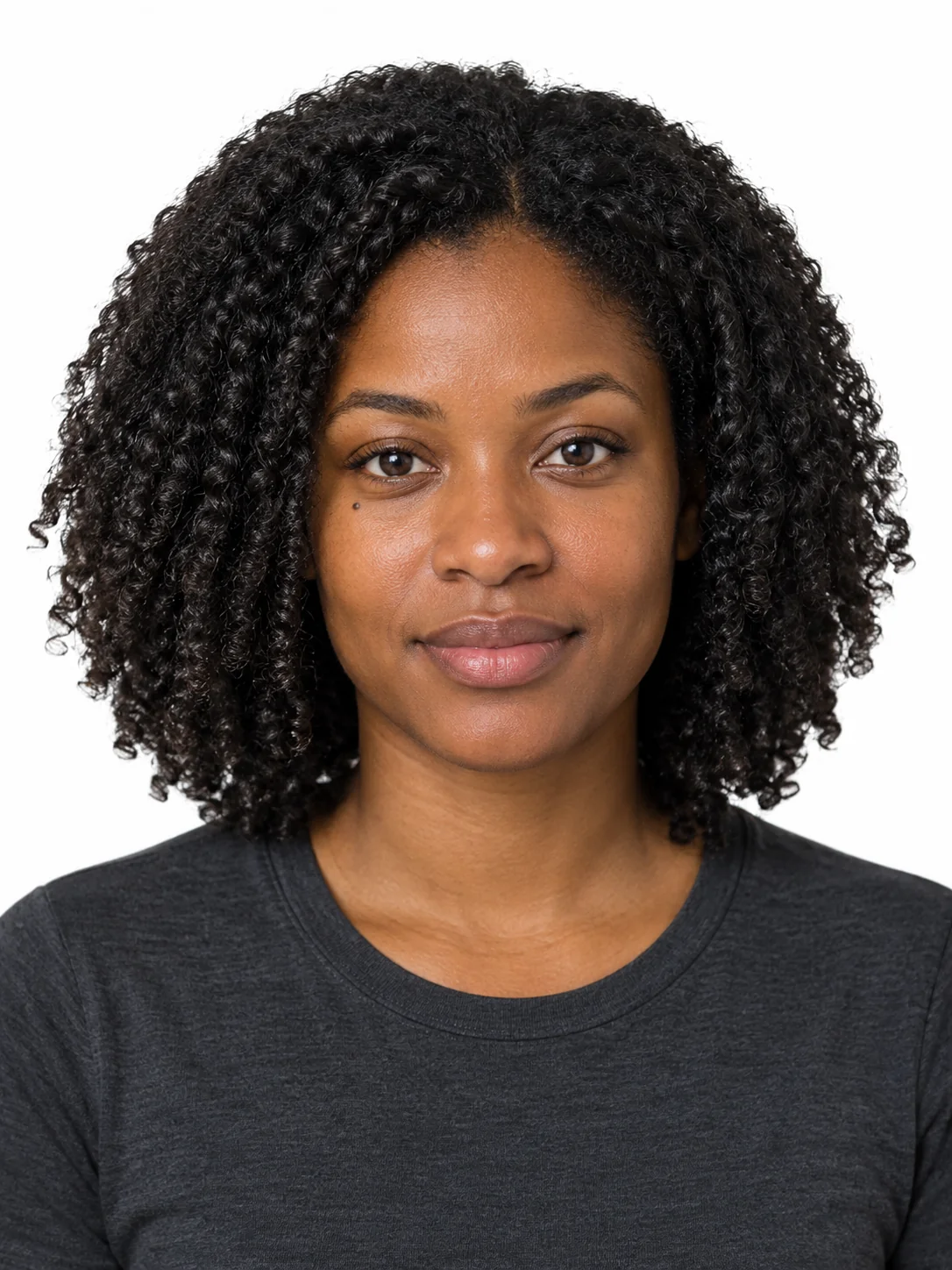
Reference photos: One portrait or casual photo, with as exaggerated an expression as possible. The captions are already written into the prompt as fixed short phrases and can be replaced as needed.
Turn the reference photo into a clean meme card. Keep the person's exact facial features and hairstyle, but push the expression into an exaggerated reaction: eyebrows raised high, eyes wide, mouth open as if mid-shout, shoulders lifted, one hand thrown up beside the head. Layout: a flat pale yellow background covers the whole frame; the person is cut out and placed in the middle band, filling about 64 percent of the frame height with equal margins; a caption band occupies the top 18 percent and another occupies the bottom 18 percent, both left empty of any object so the text is never covered. Caption text: bold heavy sans serif capitals, thick black letters with a thin white outline, centred, letterspaced slightly, sitting on two lines in the top band and one line in the bottom band. The top band reads AT MEETINGS ABOUT MEETINGS and the bottom band reads SO PROFESSIONAL, spelled exactly as written, letter for letter, with no extra words anywhere in the image. Treatment: crisp cut-out edges, no shadow behind the person, flat single-colour background with no texture and no other objects. Square framing, meme-card look, no logos, no watermark.
Negative prompt
misspelled text, extra letters, gibberish lettering, covered caption, cluttered background, drop shadow, photo background, watermark
Reference only — the image models available here do not take a separate negative prompt, so this list is guidance for editing the prompt above.
Why this works: The standard entry. When you change the caption, replace only the short phrase inside the quotation marks and keep it in all capitals at 3 to 6 words, which is the key to avoiding errors.
Reaction Cutout No Text
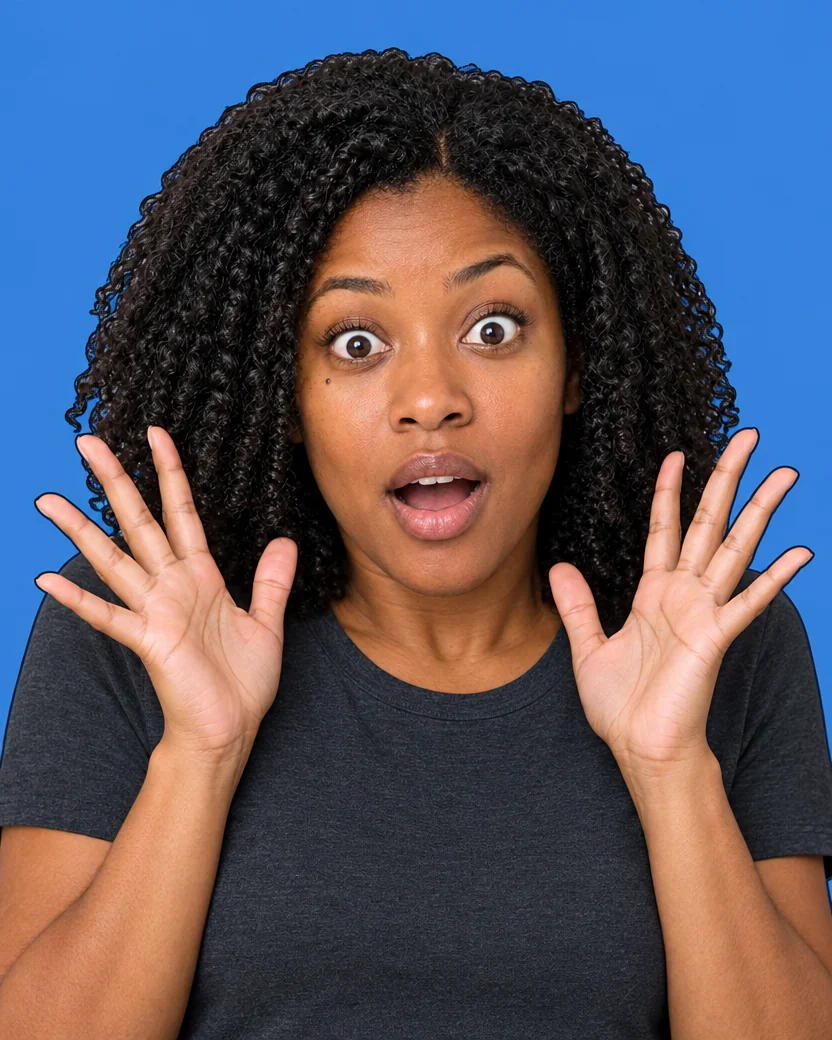
You want only the reaction and will add the text yourself in post.
GPT Image 2.5 Flareimage → image4:5 · 2K
Reference photos: One portrait. The text-free entry is the most practical, because the user adds the text afterwards and spelling problems cannot occur.
Create a reaction-image cutout of the person in the reference image, with no text anywhere in the frame. Keep the facial features, hair colour and hairstyle exactly as in the reference and exaggerate the expression: stunned with eyebrows lifted, eyes wide open, jaw dropped slightly, both hands raised close to the face with fingers spread. Pose: shoulders pulled up, torso leaning back a fraction, head tilted three degrees. Treatment: the person is cleanly cut out with a crisp edge and a thin darker rim along the silhouette, then placed on a flat solid mid-blue background that has no texture, no gradient and no other objects; no shadow is cast on the background and nothing overlaps the figure. Framing: vertical 4:5, the figure fills about 78 percent of the frame height, centred with even margins and no crop through the hands or the head. Lighting: even flat lighting baked into the cutout with soft highlights, no hard shadow across the face, natural skin tone. Finish: design-ready cutout suitable for adding captions later, no text, no logos, no watermark.
Negative prompt
any text, watermark, logos, background objects, hard shadows on the face, cropped hands, messy cutout edges, HDR
Reference only — the image models available here do not take a separate negative prompt, so this list is guidance for editing the prompt above.
Why this works: The text-free entry. It is for users who write their own captions, and it also keeps the page samples free of any spelling risk.
Pet Meme Caption
A pet as the subject, with the markings preserved.
Nano Banana 2image → image1:1 · 2K
Reference photos: One photo of the pet. The markings are preserved and the expression is exaggerated, with the eyes and the ears the two most effective parts.
Turn the reference pet photo into a meme card while keeping the animal's markings intact: same fur colour and pattern, same patch positions on the head and chest, same tail markings, same eye colour. Expression: maximum judgment face, with one eyebrow area lifted, eyes narrowed a fraction and looking at the camera from under the brow, one ear flat and the other upright, mouth closed and slightly tucked. Layout: a flat warm cream background covering the whole frame, the pet cut out and placed in the middle band filling about 62 percent of the frame height, a caption band at the top 19 percent and another at the bottom 19 percent, both kept clear so the text is never covered. Caption text: heavy rounded capitals in dark brown with a cream outline, centred and letterspaced, the top band reading I HEARD EVERYTHING and the bottom band reading AND I JUDGED, spelled exactly as written with no extra words anywhere in the image. Treatment: crisp cut-out edges, no drop shadow, flat background with no texture and no props. Square framing, meme-card look, no logos, no watermark.
Negative prompt
wrong markings, misspelled text, extra words, background props, drop shadow, photo background, blurred fur, watermark
Reference only — the image models available here do not take a separate negative prompt, so this list is guidance for editing the prompt above.
Why this works: The pet entry. The judgment expression is the most widely usable type in pet memes, and the markings sentence has to stay at the front.
Text-Only Meme Layout Sample
Page samples and low-cost load testing.
Nano Banana 2 Litetext → image1:1 · 1K
A clean meme card layout sample: a flat pale yellow background with a generic cut-out cartoon adult in the middle band filling about 62 percent of the frame height, arms thrown up and an exaggerated surprised expression with wide eyes, raised eyebrows and an open mouth. A caption band occupies the top 19 percent and another the bottom 19 percent, both left clear of objects. Caption text: heavy bold capitals with a thin white outline, centred and slightly letterspaced, the top band reading EVERY SINGLE TIME and the bottom band reading WITHOUT FAIL, spelled exactly as written with no other words anywhere in the image. Treatment: crisp cut-out edges, no drop shadow behind the figure, flat single-colour background with no texture and no extra objects. Square framing with even margins, meme-card look, no logos, no watermark.
Why this works: The text-only sample entry, the cheapest one. It demonstrates the layout for the page, and the caption itself can be replaced with the site's default short phrases.