Each set is a complete prompt. Copy it, or open it in the studio with the model, aspect ratio and resolution it was written for.
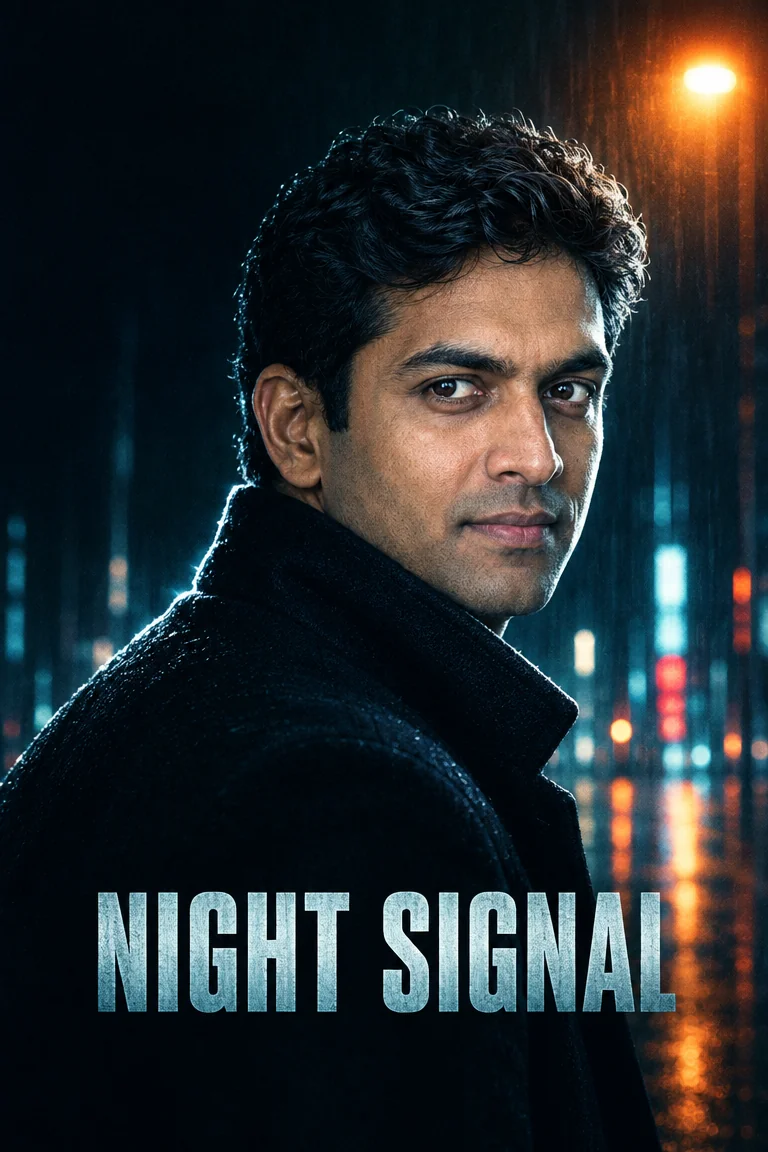
Thriller One Sheet
The standard approach: cold colours, hard light and a single person in close-up.
GPT Image 2.5 Flareimage → image2:3 · 2K
Reference photos: One front-facing or three-quarter portrait. The poster darkens the background heavily, so the facial features and the outline are what matter.
Design a theatrical one-sheet thriller poster built around the person in the reference image, keeping their exact facial identity and features. Key art: a head-and-shoulders portrait turned three quarters away from the camera with the eyes cutting back toward the lens, lit by a single hard cold key from the right so the face is the brightest area of the frame, with one hard rim light separating the shoulder from the background and everything else falling into near black. Wardrobe: a plain dark coat with the collar up, no visible logos. Background: a rain-soaked city street at night, blurred into vertical light streaks, a single orange sodium lamp bloom in the upper right, deep negative space on the upper left for the title. Layout: a two-word title in a heavy condensed face centred across the lower third, a thin evenly spaced line of small unreadable grey type above it as the credit block, and a short release line beneath in the same face at one third the size; no other text anywhere. Grade: teal shadows with a cold skin tone, deep contrast, fine grain, one subtle halation on the sodium lamp. No real studio names, no logos, no watermarks, no extra text.
Negative prompt
gibberish title, long sentences, real studio logos, bright background, flat lighting, cluttered text, HDR, watermarks
Reference only — the image models available here do not take a separate negative prompt, so this list is guidance for editing the prompt above.
Why this works: The most general thriller option. Keep the title to two words with the position locked; after generating, check only the title spelling, since the rest of the small type does not need to be readable.
Romance Two Hander
Two people, warm colours and backlight, well suited to a couple.
Nano Banana 2image → image2:3 · 2K
Reference photos: Two portraits, one per person. The first is the person on the left and the second is the person on the right, so do not swap the order.
Design a romantic drama one-sheet using the first reference image for the person on the left and the second for the person on the right, keeping both identities separate and recognisable. Key art: the two stand close on a station platform at dawn, foreheads almost touching, eyes closed, warm backlight wrapping their hair and shoulders, a faint flare in the upper right; a departing train is blurred into a soft wall of light behind them. Wardrobe: soft neutral layers, one long coat, one thin knit scarf, no logos. Layout: a three-word title in a light serif with wide letter spacing centred across the lower third, a thin line of small unreadable grey type above it as the credit block, and a short release line under the title, with no other text anywhere. Grade: warm film-like tones with lifted blacks, gentle halation, soft contrast and fine grain, as if shot on anamorphic film. Composition: both faces at the same height, a generous band of empty sky across the top third for breathing room. Photographic realism with a poster finish, no illustration style, no logos, no real studio names, no watermarks.
Negative prompt
merged faces, swapped identities, gibberish title, real studio logos, saturated cliche sunset, cluttered text, HDR, watermarks
Reference only — the image models available here do not take a separate negative prompt, so this list is guidance for editing the prompt above.
Why this works: The romance option. Keep the matching scale and height while the two foreheads touch; changing the pose takes you back to the rules in T028.
Action Triptych Key Art
For a wide three-panel composition in 27:16 or 16:9.
Nano Banana Proimage → image16:9 · 1K
Nano Banana Pro does not offer 27:16 1K — this runs at 16:9 1K.
Reference photos: One front-facing portrait. The wide triptych carries a lot of information, so generate a small proof at 1K first; 27:16 is a frame size available at 1K only.
Compose a wide action-film key art banner based on the person in the reference image, keeping their exact facial identity. Structure: a triptych layout in one wide frame, left panel a silhouette of the subject walking through smoke seen from behind, centre panel a close-up of the face lit from below by a warm explosion with dust on the skin and one bead of sweat, right panel a hand gripping a railing against a sunset skyline with a helicopter as a small shape. Continuity: the same wardrobe across all three panels, a dark tactical jacket with visible seams and no logos, so the three panels read as one story. Grade: high contrast with orange and teal separation, deep blacks, subtle halation around the warm light, fine grain. Layout: the panels separated by two thin dark gutters, a two-word title in a heavy block face centred in the lower third spanning all three panels, a single line of small unreadable grey type above it, and a short release line below; no other text anywhere. Lighting: hard directional light in each panel with unfilled shadows. Wide cinematic framing, 27:16, no logos, no real studio names, no HDR bloom.
Negative prompt
inconsistent wardrobe, gibberish text, real studio names, flat lighting, cluttered composition, HDR bloom, watermarks
Reference only — the image models available here do not take a separate negative prompt, so this list is guidance for editing the prompt above.
Why this works: The triptych option. All three panels must share the same wardrobe description, or it looks like three different images stitched together.
Text-Only Poster Template Sample
A layout sample for when you have no source image to work from.
Nano Banana 2 Litetext → image2:3 · 1K
A theatrical one-sheet poster layout sample with a generic photographic portrait as the key art: a head-and-shoulders figure turned three quarters away with the eyes cutting back to the lens, lit by a single hard cold key from the right, the face the brightest area of the frame, one hard rim light on the shoulder, background falling into deep black with a blurred city light streak in the upper right. Layout: a two-word title in a heavy condensed face centred across the lower third, a thin line of small unreadable grey type above it, and a short release line below in a smaller size of the same face; nothing else written anywhere. Grade: teal shadows, cold skin tone, deep contrast, fine grain, one subtle halation on the light streak. Poster finish with a dark gradient behind the subject, photographic realism, no logos, no real studio names, no watermarks.
Why this works: The text-only layout sample, the cheapest option. It demonstrates the layout structure on a page, and the figure is generic.