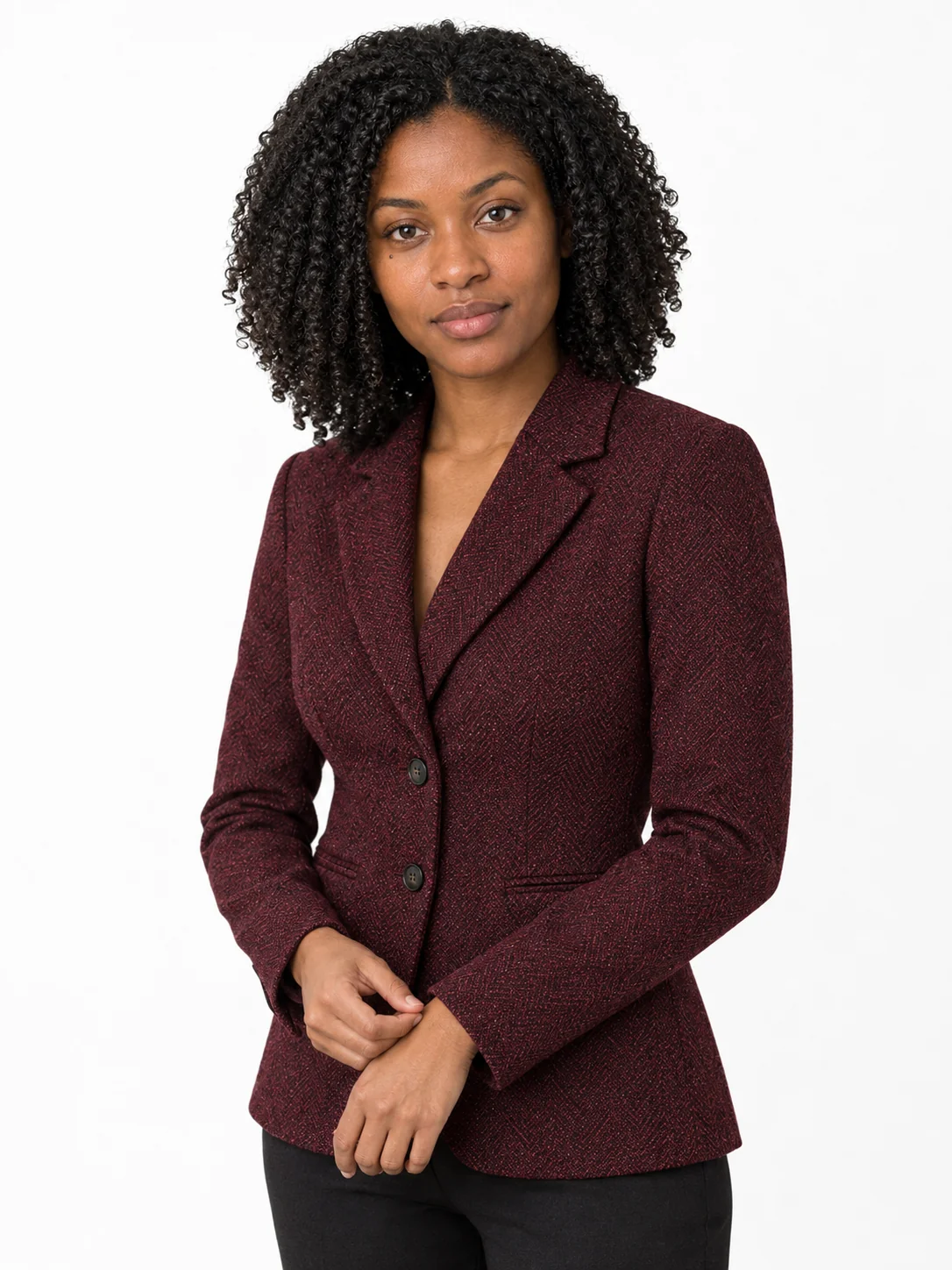
Each set is a complete prompt. Copy it, or open it in the studio with the model, aspect ratio and resolution it was written for.
Studio Model Full Look
The standard approach: a clean background with the full look on the body.
Nano Banana 2image → image2:3 · 2K
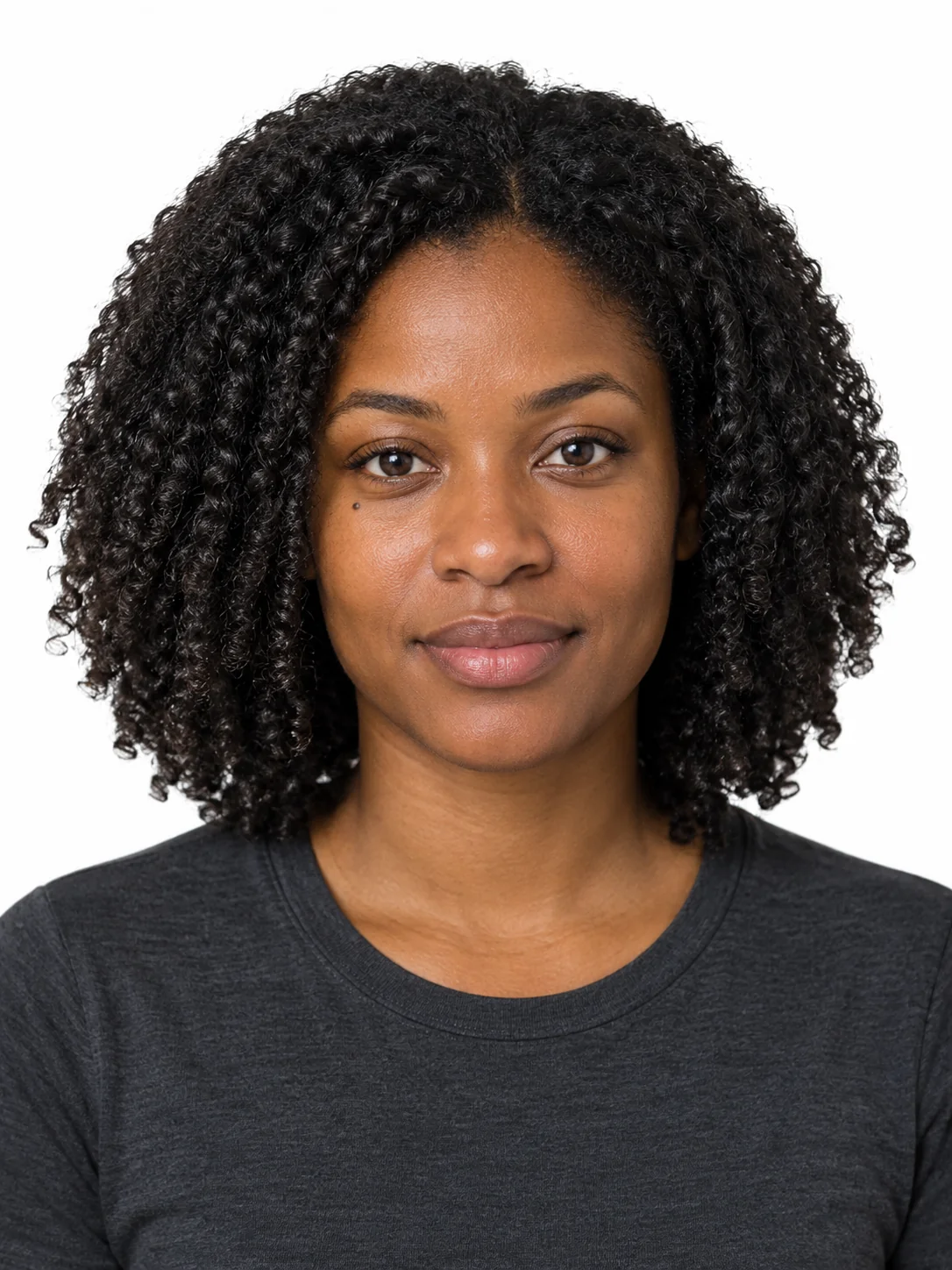
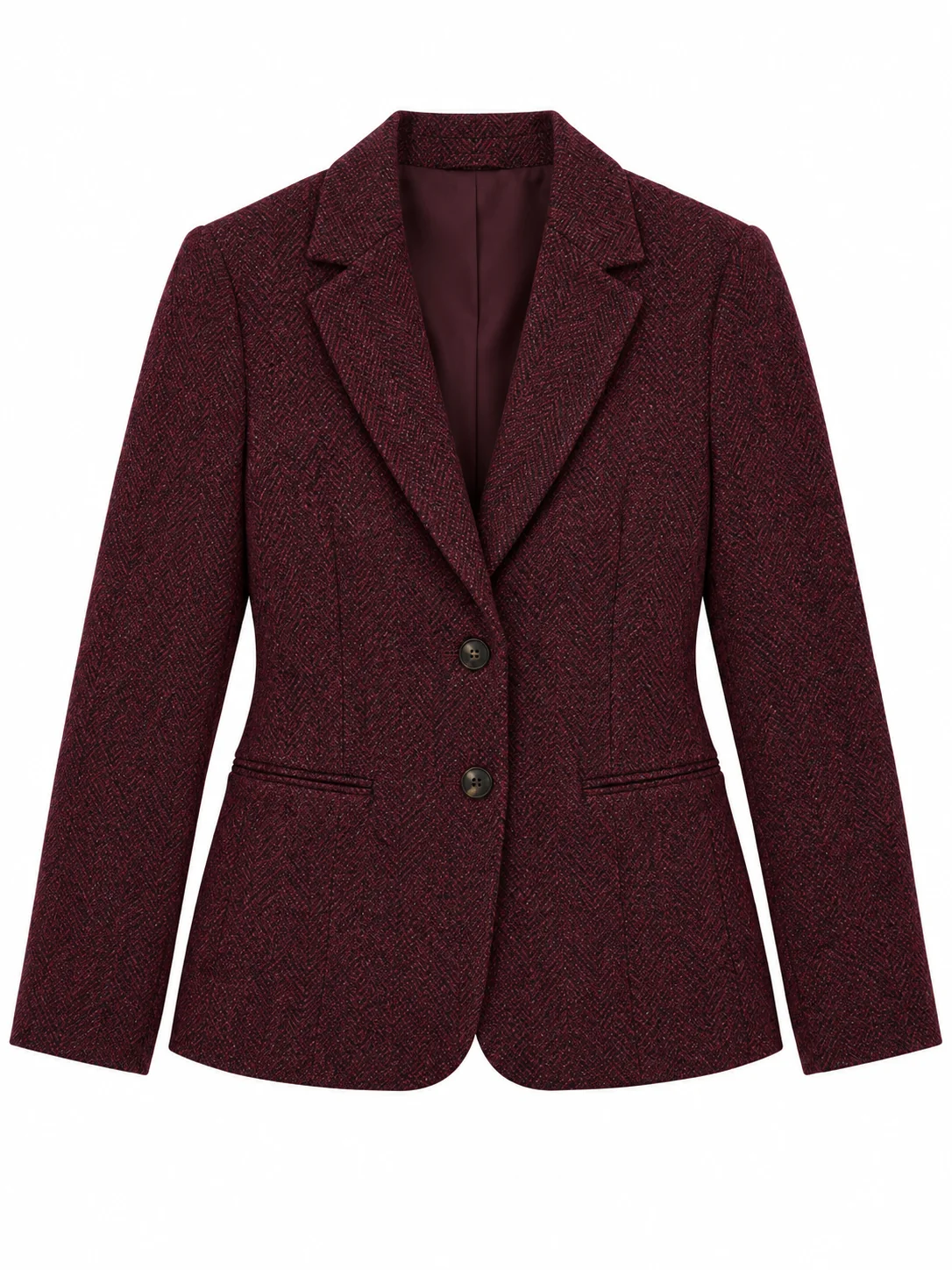
Reference photos: Two reference images: the first is the garment, flat laid or on a hanger with the front clearly visible, and the second is the model portrait. The prompt refers to them in that order.
Dress a standing model in the garment from the first reference image, using the person in the second reference image as the model's face and body. Garment fidelity comes first: keep the exact fabric, weave, pattern scale, print placement, colour, stitching, buttons, zips, trim and garment length of the first reference; do not restyle, simplify or idealise the garment, and do not change the print. Fit: the garment follows the body with visible tension along the shoulder seam, compression creases at the waist and one natural fold where the arm bends, the hem sitting at the same point of the leg as it would in a real fit. Model: keep the face, hairline and skin tone of the second reference, standing with the weight on the left leg and the right knee slightly bent, one hand in a pocket, the other resting against the thigh with relaxed fingers, chin level, looking past the camera. Set: a seamless light grey studio backdrop with a soft gradient, floor slightly darker, one soft contact shadow under the feet. Light: large soft key from the upper left with a white bounce on the right, even exposure, fabric texture clearly visible, no colour cast from the garment onto the skin. Camera: 85mm at chest height, full body with small headroom, sharp focus on the garment, natural grain. No props, no added text, no logos beyond what the garment itself carries, no watermark.
Negative prompt
restyled garment, wrong pattern, missing buttons, floating clothes, mannequin, distorted hands, extra fingers, colour cast, watermark
Reference only — the image models available here do not take a separate negative prompt, so this list is guidance for editing the prompt above.
Why this works: The standard option. Two things tell you whether it worked: the pattern scale is unchanged and the shoulder seam shows tension. If either is missing, go back and edit only those two sentences.
Self Try On Portrait
For users who want the garment on themselves while keeping their own face and body proportions.
GPT Image 2.5 Flareimage → image4:5 · 2K
Reference photos: Two reference images: the first is a face or a photo of you, and the second is the garment laid flat and facing front. Avoid heavily filtered selfies.
Show the person from the first reference image wearing the garment from the second reference image, as a natural try-on portrait. Identity first: keep the exact facial features, face shape, skin tone, hairline and natural body proportions of the first reference person, and keep the garment exactly as in the second reference: same fabric, weave, colour, pattern scale, print placement, seams, cuffs, buttons and hem length, with no restyling and no simplification. Fit: the garment sits on the shoulders with a visible shoulder seam line, the sleeve ends at the correct point on the wrist, slight folds across the waist where the fabric is compressed, and the hem falls naturally without floating. Pose: turned three quarters toward the camera, one hand adjusting the opposite cuff, the other arm relaxed, chin slightly down, calm expression looking into the lens. Scene: a plain warm grey wall with a soft shadow falling diagonally, a wooden floor edge at the bottom of the frame. Light: soft diffused daylight from the left, a gentle fill on the right, even skin exposure with no colour cast from the garment, no hard highlights. Camera: 85mm at chest height, medium shot from the thighs up, natural grain, photographic realism, no props, no added text, no watermark.
Negative prompt
changed facial identity, restyled garment, wrong colour, floating fabric, distorted hands, colour cast on skin, plastic texture, watermark
Reference only — the image models available here do not take a separate negative prompt, so this list is guidance for editing the prompt above.
Why this works: The self try-on option. If the garment looks like a sticker, add the three details: a visible shoulder seam, compression creases at the waist and a correct sleeve length.
Street Lifestyle Walk
For a lifestyle feel with walking, turning and natural light.
Nano Banana Proimage → image3:2 · 2K
Reference photos: Two reference images: the first is the garment and the second is the model. The street option adds a sense of movement, so the dynamic folds in the garment are the focus.
Photograph a model wearing the garment from the first reference image in a street lifestyle shot, using the person in the second reference image as the model. Garment fidelity: identical fabric, weave, colour, pattern scale, print position, stitching, hardware and length to the first reference; nothing restyled, nothing simplified, no new details. Action: walking mid-stride toward the camera along a city pavement, jacket and hem lifted slightly by the movement, a natural fold running from the shoulder to the waist, one hand raised to hold a bag strap, the other swinging relaxed. Model: keep the face, hairline and skin tone of the second reference, eyes on the path ahead with a slight smile. Scene: a quiet side street in late afternoon, plain concrete facades, a fire hydrant and a parked bicycle slightly out of focus, long shadows raking across the pavement, dust in the light. Light: hard low sun from the right wrapping a rim around the garment, unfilled shadows on the left, natural skin tone with no colour cast from the fabric. Camera: 50mm at chest height, slightly ahead and to the side, motion caught at a normal walking speed, sharp on the garment, shallow depth of field. Cinematic but natural, no props added, no text, no watermark.
Negative prompt
restyled garment, wrong print scale, frozen unnatural posture, blurred garment, distorted limbs, colour cast, text, watermark
Reference only — the image models available here do not take a separate negative prompt, so this list is guidance for editing the prompt above.
Why this works: The street option. Dynamic folds are what make it more believable than a studio shot: while walking, the fabric has to show tension and lift.
Text-Only Try-On Sample
Page samples and low-cost stress testing.
Nano Banana 2 Litetext → image2:3 · 1K
A studio full-body photograph of a generic adult model wearing a plain stone-grey wool overcoat over an oatmeal knit top and straight dark trousers, standing with the weight on one leg, one hand in a pocket and the other relaxed against the thigh, chin level and looking slightly past the camera. Fit details: the shoulder seam sits exactly on the shoulder point, the sleeve ends at the wrist bone, the coat hem falls at mid thigh with two natural vertical folds, the fabric shows tension at the shoulder and compression at the waist. Set: a seamless light grey studio backdrop with a soft gradient and a slightly darker floor, one soft contact shadow under the feet. Light: a large soft key from the upper left with a white bounce on the right, even exposure, visible wool texture, no colour cast on the skin. Camera: 85mm at chest height, full body with a little headroom, sharp focus on the garment, natural grain, photographic realism, no props, no text, no watermark.
Why this works: The text-only sample option, the cheapest one. It covers pages with no product images and lets you check whether the fit on the body works.