Each set is a complete prompt. Copy it, or open it in the studio with the model, aspect ratio and resolution it was written for.
Single Pet Humanized Portrait
The standard approach: one pet becomes one person.
Nano Banana 2image → image4:5 · 2K
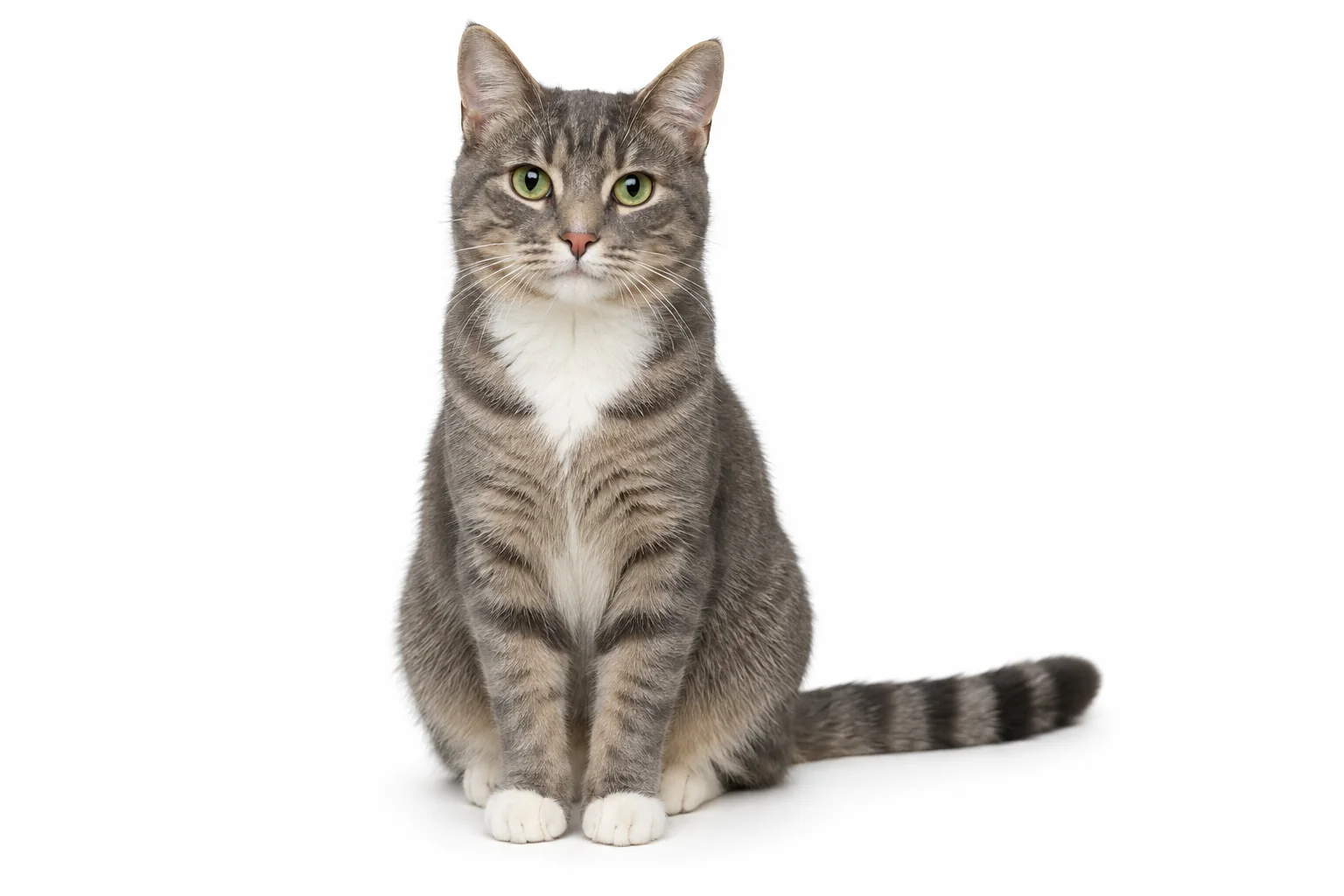
Reference photos: One front-facing photo of the pet with clear eyes and visible coat colour. This image is mapped onto a person's appearance, so the more even the light the better.
Turn the pet in the reference image into a human portrait, keeping the animal's colour identity as the person's visual signature. Mapping rules: the fur pattern and markings become the person's hair colour, length and texture; the eye colour and eye shape carry over unchanged; the head width and face length follow the animal's proportions; the coat colouring sets the palette of the outfit. Anatomy: a fully human face with human anatomy, no muzzle, no animal nose, no fur on the face; ears are human ears. Expression: the same alert, slightly curious mood as the animal, mouth relaxed and closed with a small half-smile, eyes directed at the camera. Wardrobe: a soft knit in a tone taken from the coat colouring, one simple accessory, nothing patterned so the hair colour reads as the main similarity cue. Setting: a plain warm wall in a quiet room, one soft window shadow falling diagonally, a wooden chair edge in the lower frame. Light: large soft daylight from the left with a gentle fill, calm contrast, natural skin with visible texture and no smoothing. Camera: 85mm at eye level, medium close-up, sharp on the eyes, fine grain, photographic realism, no text, no watermark.
Negative prompt
anthropomorphic muzzle, animal nose, fur on the face, cat ears, generic human face, plastic skin, cluttered background, watermark
Reference only — the image models available here do not take a separate negative prompt, so this list is guidance for editing the prompt above.
Why this works: The standard option. If you cannot tell which pet it is, start by adding 'eye colour and shape fully preserved' and the mapping from coat colour to hair colour, which are the two most effective additions.
Two Pets Two People
Two or more pets in one frame, each keeping its own likeness.
Nano Banana Proimage → image16:9 · 2K
Reference photos: Two photos, one pet each. The roles are assigned by first and second image, so do not swap the order.
Turn two pets into two people standing side by side, using the first reference image for the person on the left and the second for the person on the right. For each, map the animal's colour identity onto the human figure: fur pattern becomes hair colour, length and texture; eye colour and eye shape carry over unchanged; head width and face length follow that animal; coat colouring sets the outfit palette. Both are fully human with human anatomy: no muzzles, no animal noses, no fur on the faces. Make the two figures visually distinct so they do not blend: different hair length and silhouette, different outfit structure, different height by about half a head. Pose: standing close, the left person with arms crossed loosely, the right person with one hand in a pocket, both angled slightly toward each other, both looking at the camera, both sharing the same ground line and head scale in the frame. Wardrobe: coordinated but not matching, one framed by warm rust tones, the other by cool grey-blue tones taken from each animal's colouring. Setting: a plain concrete wall with a soft diagonal shadow, a wooden bench out of focus at the right edge. Light: a large soft key from the upper left with a bounce on the right, even exposure across both faces. Camera: 50mm at chest height, wide 16:9 framing with generous space at the top, fine grain, photographic realism, no text, no watermark.
Negative prompt
merged identities, animal faces, blended hair colours, mismatched head scales, extra people, plastic skin, watermark
Reference only — the image models available here do not take a separate negative prompt, so this list is guidance for editing the prompt above.
Why this works: The multi-pet option. The two hairstyles and colour palettes must be written apart; if they are too similar they contaminate each other and blend into one person.
Held By Owner Portrait
The owner holds the humanized pet, which gives the strongest emotion.
GPT Image 2.5 Flareimage → image2:3 · 2K
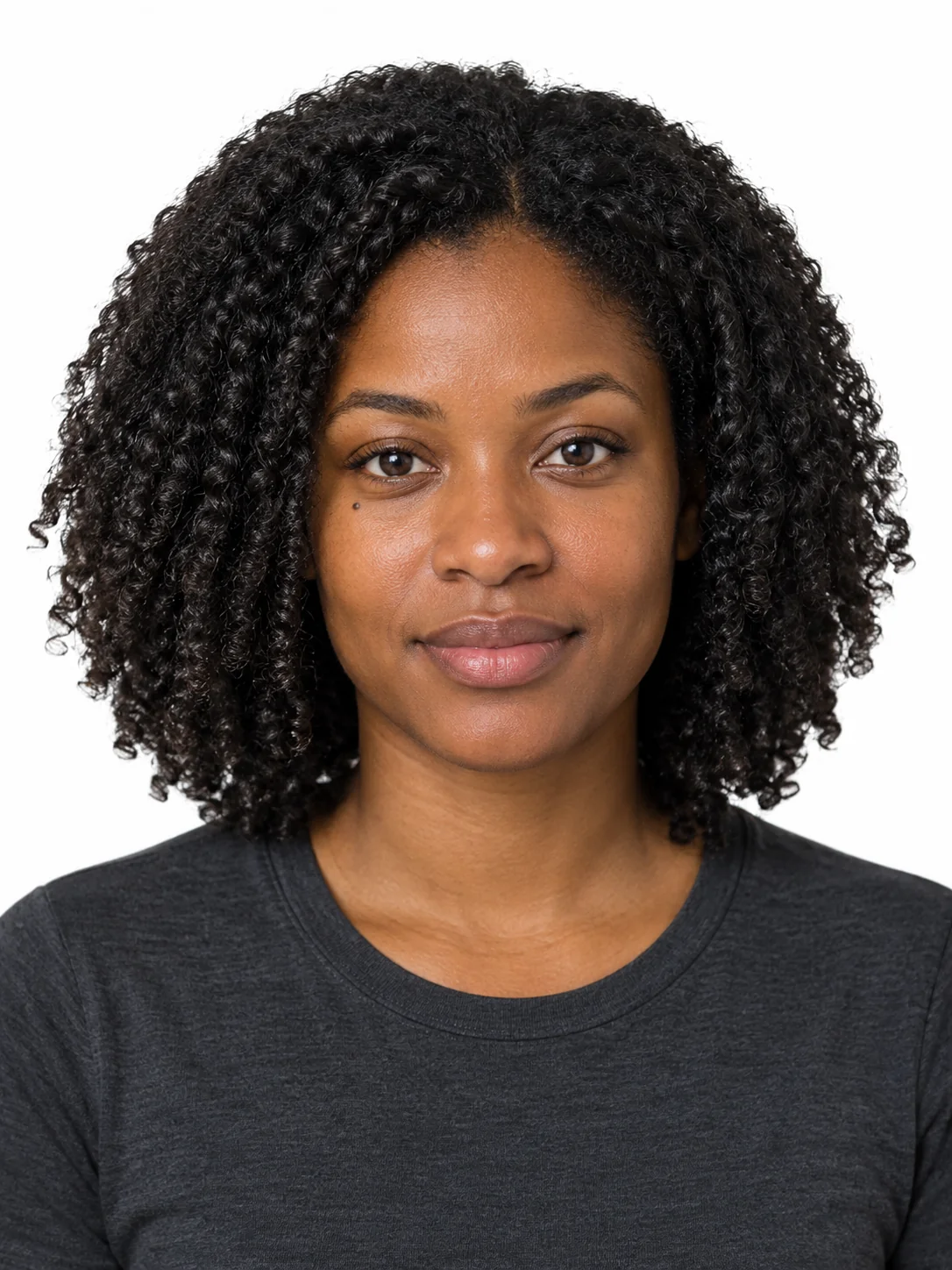
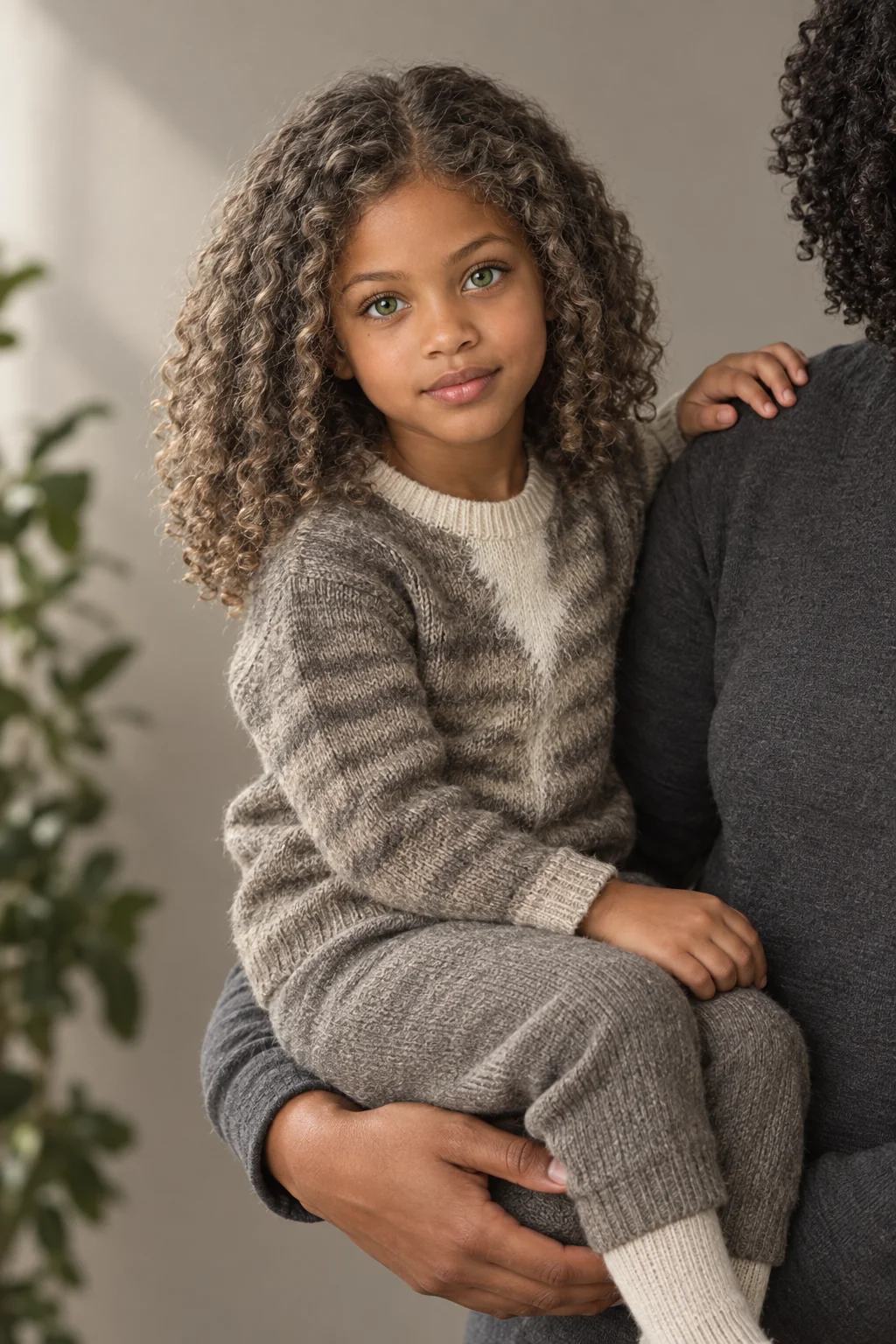
Reference photos: Two reference images: the first is the pet, which determines the humanized look, and the second is the owner, who appears only as shoulders and arms.
Show the owner from the second reference image holding a humanized version of the pet from the first reference image, a gentle moment between the two. The pet becomes a person whose colour identity comes from the animal: fur pattern maps to hair colour and length, eye colour and shape carry over unchanged, head width and face length follow the animal, coat colouring sets the outfit palette; the face is fully human with human anatomy, no muzzle and no fur. The humanized pet is seated on the owner's forearm at chest height, small and light enough to be held, one hand resting on the owner's shoulder for balance, looking at the camera with a calm curious expression. The owner appears as the torso and arms only, no face in the frame, with a sleeve in a neutral tone and one hand supporting the humanized pet from below, fingers visible at the lower edge and relaxed. Setting: a plain warm grey wall with soft directional shadow, a plant out of focus at the left edge. Light: soft window light from the left with a gentle fill, warm neutral white balance, no colour cast from clothing onto skin, no hard shadows on either figure. Camera: 50mm at chest height, vertical 2:3 framing, both figures fully in frame with their heads at the same scale, natural grain, photographic realism, no text, no watermark.
Negative prompt
adult face in frame, animal face, distorted hands, extra fingers, floating figure, mismatched scale, plastic skin, watermark
Reference only — the image models available here do not take a separate negative prompt, so this list is guidance for editing the prompt above.
Why this works: The emotional option. The humanized figure has to be small enough to be held, so the size description is essential, or it turns into two adults.
Text-Only Humanized Sample
Page samples and low-cost stress testing.
Nano Banana 2 Litetext → image1:1 · 1K
A studio portrait of a generic person whose look is inspired by a ginger tabby cat: copper-tinted hair with a soft wave and a faint tabby-like banding through the fringe, wide amber-brown eyes with a faint dark rim, a rounded face with soft cheekbones, quiet alert expression with a small closed half-smile and a direct gaze. Fully human anatomy, no muzzle, no animal nose and no fur on the face. Wardrobe: a rust-coloured knit jumper taken from the coat colouring, one thin gold ring, nothing patterned. Setting: a plain warm wall with a soft diagonal window shadow, a wooden chair edge at the bottom of the frame. Light: large soft daylight from the left with a gentle fill, calm contrast, natural skin with visible texture and no smoothing. Camera: 85mm at eye level, medium close-up, sharp on the eyes, fine grain, photographic realism, no text, no watermark.
Why this works: The text-only sample option, the cheapest one. It covers pages with no pet material and also serves as a sample users can preview before uploading their own image.